
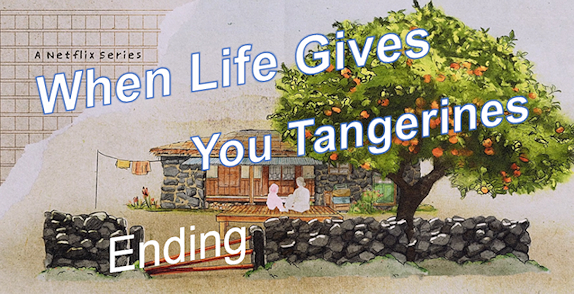
The ending of When Life Gives You Tangerines took everyone by surprise, with twists and turns that left viewers on the edge of their seats. In the final moments, the rapeseed flower field at Hakwon Farm in Gochang-gun, Gong-eum-myeon, becomes more than just a backdrop. It emerges as a powerful symbol of hope, forgiveness, and new beginnings. This is where the characters confront their deepest emotions, heal old wounds, and commit to new paths in life.
1. When Life Gives You Tangerines Ending : Unexpected Pain
[adinserter block=”1″]
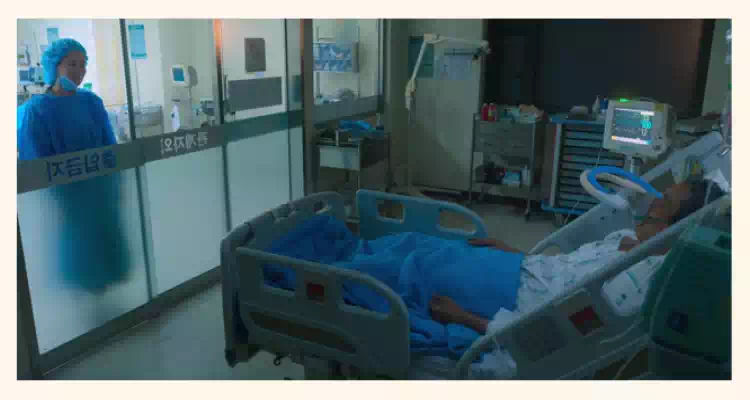
The turning point of the drama comes with the death of Gwan-sik (played by Park Bo-gum), who succumbs to cancer after a long battle. His death, in the “When Life Gives You Tangerines” ending, serves as a catalyst for revealing the hidden truths of the past. The pain of his passing creates turmoil among the other characters, forcing them to confront their own demons. Ae-sun and Geum-young, both in their own way, face their past traumas and, through this painful experience, are pushed to make significant life decisions.
2. Final Filming Location: Not Jeju Island, But Hakwon Farm in Gochang-gun?
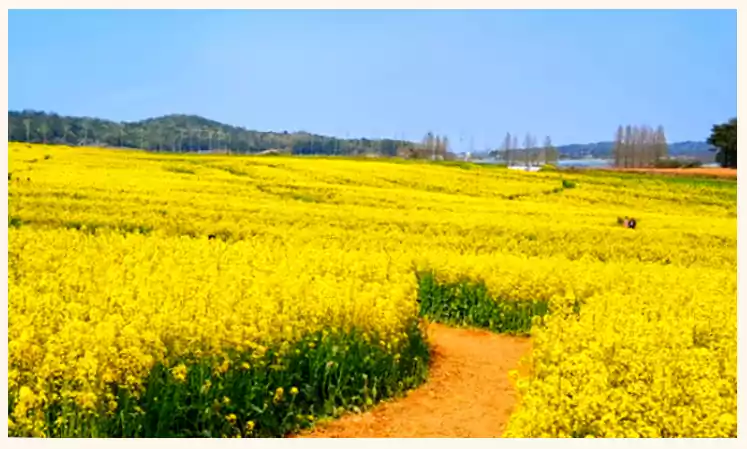
Expecting the beautiful landscapes of Jeju Island, viewers are shocked to learn that the final filming location is actually Hakwon Farm in Gochang-gun, Gong-eum-myeon. This farm, with its vast rapeseed flower fields, isn’t just a beautiful setting – it plays a crucial role in delivering the core message of the drama. The rapeseed flowers, in full bloom, hold deep symbolic meaning, representing the growth, healing, and renewal that the characters experience.
[adinserter block=”2″]
3. Ae-sun’s True Feelings and Final Moments
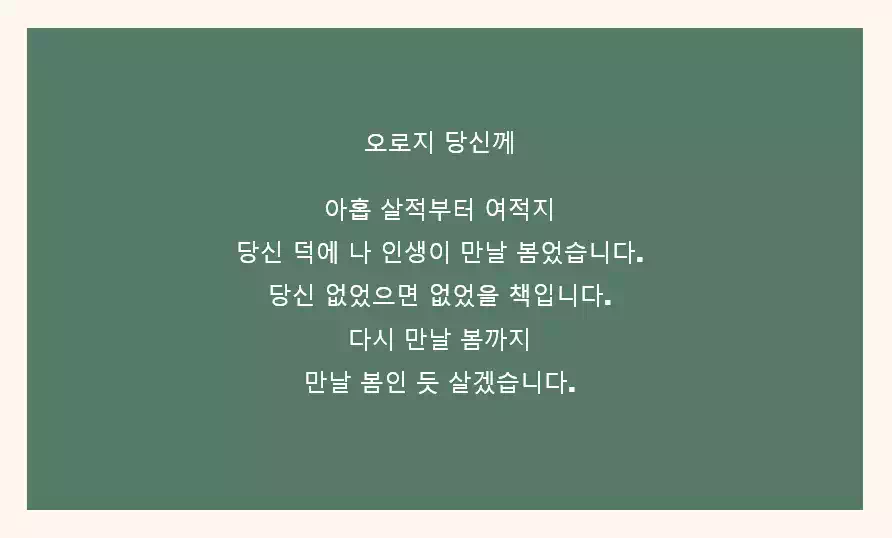
“Only to you,
Since I was nine years old,
Because of you, my life has always met spring.
It would have been a book that would not have existed without you.
Until the spring we meet again,
I will live as if it is the spring we meet.”
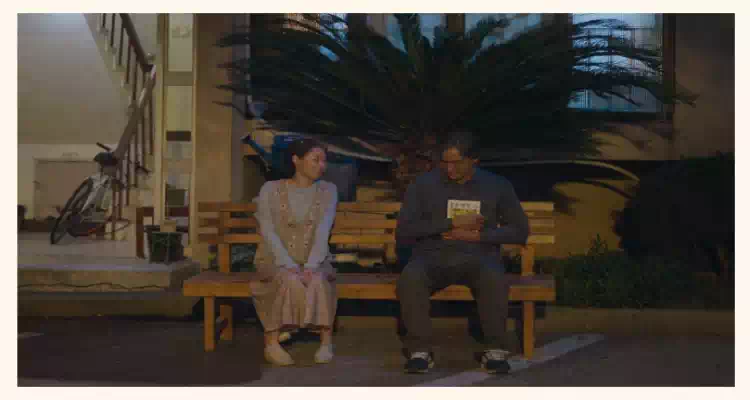
As Ae-sun (IU) faces the death of Gwan-sik, she comes to terms with the emotions she has suppressed for years. In her final moments with him, she writes a letter, pouring out her true feelings, and it is through this act that she finds closure. Meanwhile, her daughter Geum-young gains a deeper understanding of her father’s past, shedding new light on his life. This moment of revelation allows both Ae-sun and Geum-young to heal their wounds and reconnect with each other on a more profound level.
4. Connection Between Final Filming Location and the Ending : Love and Hope in the Rapeseed Flower Field
The rapeseed flower field acts as a metaphor for new beginnings. As the characters journey through their pain and healing, the blooming flowers mirror their growth and hope. The seasonal changes that unfold in the field reflect the core themes of “When Life Gives You Tangerines” — that of transformation, growth, and the ability to move past one’s struggles. This marks a significant turning point for the characters as they leave behind their painful pasts and step into a new chapter of their lives.
5. When Life Gives You Tangerines Ending : Discovering True Meaning
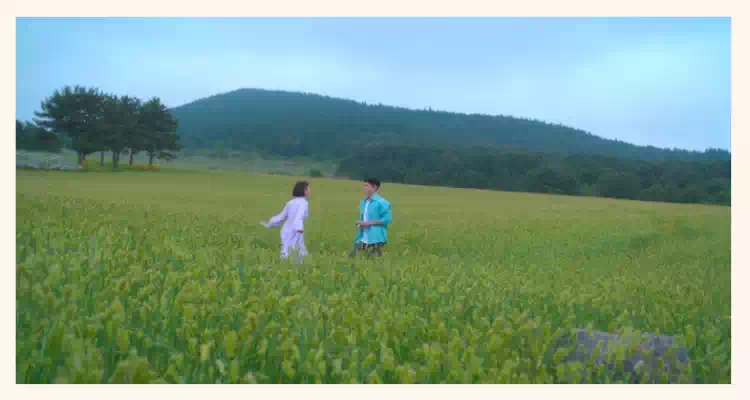
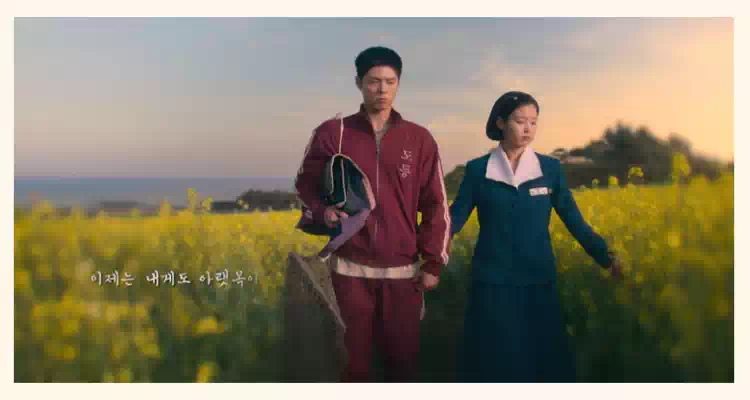
In the final scene of “When Life Gives You Tangerines”, Yang Geum-myeong and Park Young-beom walk hand in hand through the rapeseed flower field. Unlike the silent moments they shared earlier, gazing at the ocean in the past, this time they walk together with purpose, reaffirming their commitment to forgiveness, reconciliation, and a fresh start. As they walk through the vibrant field, Yang Geum-myeong turns to Park Young-beom and says, “Thank you for all your hard work,” offering a heartfelt message of comfort and encouragement after everything they’ve been through.
[adinserter block=”3″]
6. Conclusion : A New Beginning Beyond Lies and Truth, Forgiveness and Reconciliation, Sorrow and Joy
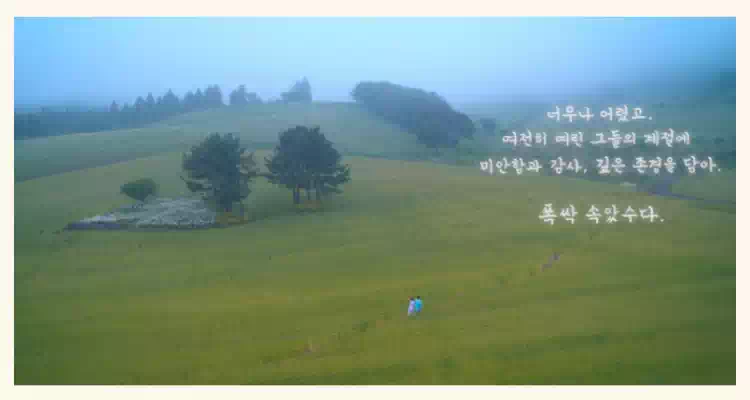
They were so young,
Still in the tender season of their lives,
With feelings of apology, gratitude, and deep respect,
Thank you so much.
The rapeseed flower field stands as a powerful symbol, not just of beauty but of life’s cyclical changes. In “When Life Gives You Tangerines”, the seasons — spring, summer, fall, and winter — reflect the characters’ emotional journeys, symbolizing both their joys and sorrows. The drama delivers a poignant message about life’s transformations, the healing power of forgiveness, and the importance of reconciliation. Ultimately, it reminds us that no matter how deep the pain, there is always the possibility of renewal and a new beginning.